
How to Do an End-of-Year Retrospective
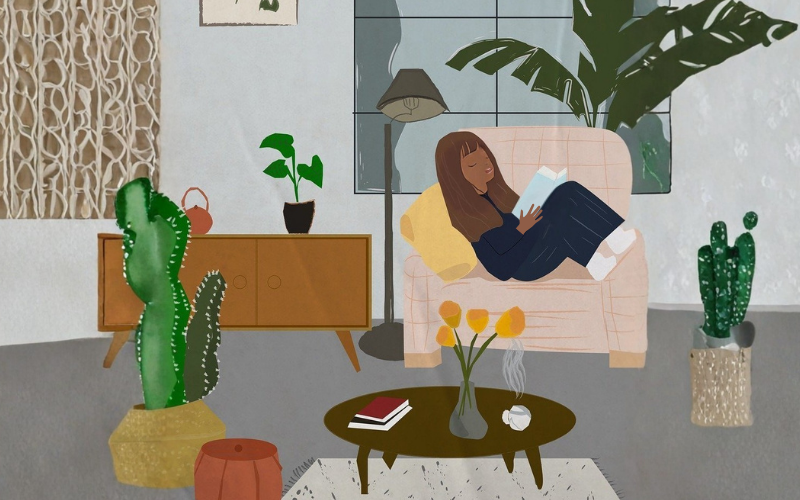
As the year winds down, I often encourage my clients — and myself — to pause and take stock before rushing into resolutions or new goals. We tend to barrel through December with endless to-do lists, social obligations, and pressure to “finish strong.” But what if, instead of sprinting to the finish line, we made space to reflect, integrate, and actually honor the year we’ve lived?
That’s what an end-of-year retrospective is about. It’s not just a review of achievements (or shortcomings); it’s a compassionate look at what you’ve experienced, learned, and endured — and a way to step into the new year grounded and clear.
Here’s how to do an end-of-year retrospective.
1. Create a Quiet Moment for Reflection
You don’t need a fancy ritual, but you do need a little space. Maybe that’s journaling with your favorite tea, taking a walk without your phone, or lighting a candle at your desk. Give yourself permission to slow down.
The goal is not to judge the year — it’s to witness it. To look back with curiosity instead of criticism.
2. Look at the Whole Picture
We’re quick to remember what went wrong and skip over what went right. Try dividing your reflection into a few simple areas:
- Growth: How have I changed this year? What have I learned about myself?
- Joy: What moments or relationships brought me peace, laughter, or meaning?
- Challenges: What tested me, and how did I respond?
- Healing: Where did I make progress, even in small, quiet ways?
It can help to flip through your calendar, journal, or even photos from the year — gentle reminders of what actually filled your days.
3. Name What You’re Leaving Behind
Every year leaves behind some weight: habits, relationships, or beliefs that no longer serve you. Naming them is an act of release.
Ask yourself:
“What am I ready to stop carrying?”
Maybe it’s the guilt of not doing enough. Maybe it’s the tendency to over-extend yourself at work or in relationships. Maybe it’s self-criticism that’s gotten too loud.
Write these things down — and if it feels right, symbolically release them. Tear the page, light a candle, or simply take a deep breath and imagine setting them down.
4. Acknowledge the Wins (Even the Small Ones)
Celebration doesn’t have to mean grand achievements. Sometimes, getting out of bed on hard days was the win. Sometimes, holding a boundary or choosing rest was a turning point.
Our brains are wired to notice threats more than progress — so consciously naming your victories helps rebalance that bias. Write down at least five things you’re proud of from this year, no matter how small they seem.
5. Reflect on What You Want to Cultivate
Instead of making resolutions rooted in pressure (“I should be better at…”), consider setting intentions rooted in alignment.
Ask yourself:
“What do I want to feel more of next year?”
Peace? Connection? Purpose? Once you know the feeling, you can choose small, concrete actions that help create it. Maybe that means scheduling therapy sessions regularly, saying no more often, or reaching out to people who feel safe.
6. Close with Gratitude and Compassion
End your reflection by offering yourself gratitude. Thank yourself for getting through another year — not perfectly, but fully. Thank the version of you that kept showing up, even on the hard days.
If you’re feeling emotional as you reflect, that’s okay. It’s often a sign that you’re truly letting the year sink in — its lessons, losses, and gifts.
Moving Forward
An end-of-year retrospective is not about reinventing yourself — it’s about coming home to yourself. It’s a chance to pause, breathe, and carry forward what matters most.
If you’d like support in processing what this year brought up — or in setting healthy intentions for the year ahead — therapy can provide a safe, grounded space to do that.
You don’t have to figure it all out alone.
Reach out today to schedule a session or learn more about how we can work together to start your new year with clarity and calm.
Warmly,
Carissa
Licensed Marriage and Family Therapist, Paladin MFT
About
Carissa Lataillade is a Licensed Marriage and Family Therapist in Santa Clarita, CA. She is passionate about helping people navigate seasons of change, loss, and healing with compassion and honesty. Through her writing, therapy practice, and speaking engagements, Carissa creates spaces where people can show up as they are and begin to rebuild with hope.
If you would like to connect for therapy or to invite Carissa to speak at your event, please visit PaladinMFT.com/contact.
More to read
.png)
%20(500%20x%20500%20px).png)
Subscribe To My Newsletter