
The 5 Stages of Healing from Divorce
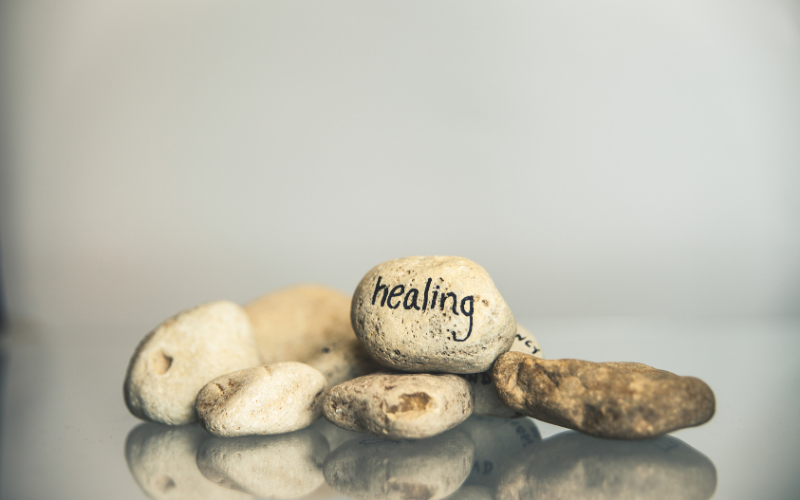
Divorce is not just the end of a relationship—it’s the unraveling of a shared life, identity, and future you once imagined. Even when divorce is the right decision, the emotional impact can be profound and layered. Many people come into therapy wondering, “Why does this still hurt?” or “Shouldn’t I be further along by now?”
Healing from divorce doesn’t happen in a straight line. It happens in stages—some expected, some surprising—and often in ways that circle back on themselves. Understanding these stages can help normalize the experience and soften the pressure to “move on” before you’re ready.
Stage One: Shock and Emotional Disorientation
In the early phase, many people feel numb, overwhelmed, or emotionally scattered. Even if the divorce was anticipated, the finality of it can feel unreal. There may be moments of disbelief, difficulty concentrating, changes in sleep or appetite, and a sense of being unmoored.
This stage is about survival. Your nervous system is adjusting to a major loss and change. Nothing is wrong with you if you’re simply getting through the day. Healing doesn’t require insight yet—it requires gentleness.
Stage Two: Grief, Anger, and Emotional Release
As the shock wears off, deeper emotions often surface. Sadness, anger, resentment, guilt, and longing can all coexist—sometimes within the same hour. You may grieve not only the relationship, but the version of life you expected to have.
Anger can be especially confusing, particularly for people who were taught to avoid it. But anger often signals pain, boundary violations, or unmet needs. Allowing yourself to feel it—without acting destructively—can be an important part of healing.
This stage can feel messy and unpredictable. It’s also deeply human.
Stage Three: Questioning and Meaning-Making
At this point, many people begin asking harder questions:
- What did I miss?
- How did I end up here?
- What was real—and what wasn’t?
This stage is not about blaming yourself or your former partner. It’s about understanding. Meaning-making helps integrate the experience rather than letting it define you. With support, this is often where insight grows and old patterns come into focus.
It’s also where people begin reclaiming their voice—learning to trust their perceptions again.
Stage Four: Reclaiming Identity and Independence
One of the quieter losses of divorce is identity. You were a spouse, a partner, part of a “we.” Healing involves rediscovering who you are outside that role.
This stage often includes:
- Reconnecting with personal values and interests
- Establishing new routines and boundaries
- Building confidence in decision-making
- Learning to be alone without feeling lonely
There is often both excitement and fear here. Growth can feel unfamiliar—but unfamiliar doesn’t mean wrong.
Stage Five: Integration and Acceptance
Acceptance doesn’t mean approval of what happened. It means the divorce no longer defines your emotional landscape. You can think about your former partner or the relationship without being overtaken by pain.
At this stage, many people notice a renewed sense of stability. The past is part of your story, but it no longer controls the present. Compassion—for yourself and sometimes even for your former partner—often becomes possible.
This is not the end of healing, but it is a sign that the wound has softened.
Healing Is Not Linear—and You’re Not Doing It Wrong
People often move back and forth between stages, especially during milestones, holidays, or new relationships. That doesn’t mean you’ve failed or regressed. Healing responds to context, memory, and meaning.
If you’re feeling stuck or overwhelmed, therapy can help you move through these stages with support rather than isolation. Divorce may have changed your life—but it doesn’t have to diminish it. With time, intention, and care, many people find that healing opens the door to deeper self-understanding and a more grounded future.
You don’t have to rush this process. Healing unfolds at the pace it needs to.
Please reach out if you would like help navigating this season of healing from divorce.
About
Carissa Lataillade is a Licensed Marriage and Family Therapist in Santa Clarita, CA. She is passionate about helping people navigate seasons of change, loss, and healing with compassion and honesty. Through her writing, therapy practice, and speaking engagements, Carissa creates spaces where people can show up as they are and begin to rebuild with hope.
If you would like to connect for therapy or to invite Carissa to speak at your event, please visit PaladinMFT.com/contact.
More to read
.png)

%20(500%20x%20500%20px).png)
Subscribe To My Newsletter